HVAC repair cost is a topic that resonates with every homeowner, as understanding it can be the key to effective budgeting and avoiding unexpected expenses. The costs associated with HVAC repairs can vary widely based on factors like the type of system, its age, and the complexity of the issue at hand. For instance, a simple thermostat replacement might only set you back a few hundred dollars, while more intricate repairs could skyrocket into the thousands, especially if seasonal demand peaks.
Moreover, regular maintenance plays a crucial role in minimizing long-term costs and ensuring that your HVAC system runs efficiently. By adopting a proactive maintenance schedule, homeowners can significantly extend the lifespan of their systems and prevent costly repairs down the line. In this article, we’ll explore the various aspects of HVAC repair costs, from DIY versus professional repairs to the impact of location and warranties.
Understanding the Factors Influencing HVAC Repair Costs is essential for homeowners to budget effectively.
When it comes to maintaining a comfortable home, understanding HVAC systems is crucial. Knowing the factors that influence HVAC repair costs can help homeowners plan their budgets effectively. Various elements, such as the type of system, its age, and the complexity of issues that arise can significantly impact repair costs. Being informed about these factors allows for better financial planning when it comes to necessary repairs.The costs associated with HVAC repairs can vary widely depending on several key factors.
For instance, different types of systems have varying complexities and components that can influence repair expenses. Older systems may require more extensive repairs or replacement parts that are harder to find, leading to increased costs. Additionally, the nature of the problem—whether it’s a simple fix like replacing a filter or a more complicated issue like a compressor failure—can drastically change the repair prices.
Homeowners can expect to pay anywhere from $150 for minor repairs to over $2,500 for major issues.
Common HVAC Repairs and Their Expected Price Ranges
It is helpful for homeowners to be aware of common HVAC issues and their associated costs. This knowledge aids in budgeting and understanding potential expenses. Here are some typical repairs along with their expected price ranges:
- Thermostat Replacement: $100 – $300 depending on the type (manual or smart thermostat).
- Refrigerant Recharge: $100 – $300 for refilling refrigerant in the system.
- Compressor Replacement: $1,200 – $2,500, as this is one of the critical components of the system.
- Furnace Ignitor Replacement: $200 – $300, which is essential for starting the furnace.
- Condenser Coil Cleaning: $100 – $150, necessary for maintaining efficiency.
Seasonal demand plays a significant role in HVAC repair costs. During peak seasons, such as summer and winter, when HVAC systems are in high use, repair costs can soar due to increased demand for technicians. Many service providers may also have higher rates during these times to accommodate the influx of requests. Homeowners should consider scheduling repairs during off-peak seasons when costs may be lower and technicians may be more readily available.
Being proactive about regular maintenance can help reduce emergency repair costs by identifying issues before they become major problems.
The Importance of Regular Maintenance in Reducing HVAC Repair Expenses Highlights Preventative Care
Regular maintenance of HVAC systems plays a crucial role in minimizing repair costs and enhancing system longevity. Homeowners who actively engage in preventative care can avoid unexpected breakdowns and costly repairs, which often arise from neglect. A well-maintained HVAC system not only operates efficiently but also contributes to energy savings and improved indoor air quality.Proper maintenance can prevent many issues that lead to expensive repairs.
For instance, routine checks can identify minor problems before they escalate into major failures, ensuring that components like filters, coils, and motors function optimally. Furthermore, regular maintenance can extend the lifespan of an HVAC system by years, translating to significant savings over time. According to studies, systems that receive consistent upkeep can last up to 15 years longer than those that do not.
Recommended HVAC Maintenance Schedule
To keep HVAC systems in peak condition, homeowners should adhere to a specific maintenance schedule. This schedule not only helps in identifying potential issues early but also promotes energy efficiency. The following points detail the recommended frequency and tasks involved in a comprehensive maintenance plan:
- Monthly: Check and replace air filters if necessary. Clogged filters can restrict airflow, leading to reduced efficiency and increased energy costs.
- Quarterly: Inspect and clean vents and ducts. This helps in preventing dust buildup and improves air quality.
- Biannually: Schedule professional inspections for both heating and cooling systems. Technicians can identify issues that may not be visible during regular checks.
- Annually: Clean the entire HVAC system, including coils and blower components, to maintain efficiency. This should be done by a qualified professional to ensure safety and effectiveness.
Regular maintenance is essential for keeping HVAC systems efficient and avoiding costly repairs. Evidence shows that homes with scheduled maintenance can save up to 30% on energy bills annually compared to those with neglected systems. Studies indicate that investing in routine maintenance can yield a return on investment of up to 400% when considering energy savings and reduced repair costs.
“Regular maintenance can prevent the majority of issues that lead to costly repairs and extend the lifespan of your HVAC system significantly.”
For illustration, consider the case of a homeowner who neglected their HVAC system for several years. They faced a major breakdown that cost them over $2,000 in repairs. In contrast, a neighbor who invested in a proper maintenance schedule spent less than $300 annually and avoided any significant repairs for over a decade. Such real-life examples highlight the financial benefits of regular maintenance, underscoring its importance in HVAC care.
Analyzing DIY vs Professional HVAC Repairs offers insights into cost-effectiveness.
In the realm of HVAC repairs, many homeowners face the decision of whether to tackle issues themselves or hire a professional. Understanding the potential savings and risks associated with DIY repairs can provide valuable insight into making an informed choice. While the allure of saving money is strong, the complexities of HVAC systems often demand a careful assessment of one’s skills and knowledge.When considering DIY versus professional HVAC repairs, it’s essential to weigh the potential savings against the risks and costs of improper fixes.
A simple DIY repair could save hundreds of dollars, but mistakes can lead to bigger, more expensive problems in the long run. Homeowners should also keep in mind that some HVAC issues require specialized knowledge and tools, which can make DIY repairs more challenging and potentially hazardous.
Common HVAC Issues for DIY and Professional Handling
There are specific HVAC issues that homeowners can often handle themselves, as well as problems that are best left to trained professionals. Understanding this distinction can enhance both safety and cost-effectiveness in repairs.Common DIY repair tasks include:
- Changing Air Filters: Regular replacement of air filters is crucial for maintaining system efficiency and air quality. It’s a straightforward task that requires minimal tools.
- Cleaning Outdoor Units: Keeping the exterior units free of debris can prevent overheating and improve efficiency. This involves simple cleaning with a hose or brush.
- Thermostat Replacement: Upgrading to a programmable thermostat can be done with basic tools and can lead to significant energy savings.
Conversely, issues that should be addressed by professionals include:
- Refrigerant Leaks: Handling refrigerants requires specialized training and is subject to regulatory laws, making it essential to hire a qualified technician.
- Electrical Issues: Faulty wiring can pose serious safety risks and necessitates expertise to ensure proper repairs.
- Compressor Failures: This is often a complex issue requiring professional diagnostics and specialized tools for effective resolution.
Simple DIY Repair Project: Changing an Air Filter
Changing an air filter is one of the simplest and most effective DIY HVAC maintenance tasks. Below is a step-by-step guide to tackle this project safely and efficiently. Tools Needed:
- New air filter (make sure to match the specifications of your current filter)
- Screwdriver (if needed for access)
- Rag or cloth (for cleaning the area)
Step-by-Step Guide:
1. Turn Off the HVAC System
Safety first! Switch off your HVAC system at the thermostat or circuit breaker to prevent any accidents.
2. Locate the Air Filter
Find the access panel where the filter is housed. This is usually in the return air duct or near the furnace.
3. Remove the Old Filter
If the filter is secured by screws or clips, use the screwdriver to remove them. Carefully take out the old filter.
4. Clean the Area
Wipe away any dust or debris in the filter compartment with a rag to ensure optimal performance.
5. Insert the New Filter
Make sure to insert the new filter in the correct direction, following the airflow arrows on the side of the filter.
6. Secure the Access Panel
Replace any screws or clips that held the old filter in place.
7. Turn the System Back On
Restore power to your HVAC system and check for proper airflow. Safety Precautions:
- Always ensure the system is powered down before beginning any work.
- Wear gloves if you are sensitive to dust or allergens.
- If encountering any unusual noises or smells during the process, stop and consult a professional.
By following these guidelines, homeowners can take a proactive approach toward their HVAC maintenance, balancing the benefits of DIY tasks with the understanding that some repairs are best left to the pros.
Evaluating Different HVAC Repair Service Providers can guide consumers in making informed decisions.
Choosing the right HVAC repair service provider is crucial for ensuring your heating and cooling systems operate efficiently and effectively. With so many options available, knowing how to evaluate these providers can save you time, money, and stress. Consumers can make informed decisions by understanding what to look for in a reputable service provider and how to assess their qualifications and reliability.
Identifying Reputable HVAC Service Providers
Finding a trustworthy HVAC service provider requires careful consideration and research. Start by seeking recommendations from friends, family, or online reviews to gather a shortlist of potential candidates. Then, it’s essential to ask specific questions to gauge their expertise and reliability.
Key questions to ask include:
- What licenses and certifications do you hold?
- How long have you been in business?
- Can you provide references from previous customers?
- Do you offer a warranty on your repairs?
These questions will help you assess their qualifications and customer service approach. Pay attention to their responsiveness and willingness to provide detailed answers, as this can indicate their professionalism and level of expertise.
Importance of Obtaining Multiple Quotes
Obtaining multiple quotes is a critical step in the evaluation process that not only helps you understand the average cost of HVAC repairs but also allows you to compare the services offered by different providers. A detailed estimate should break down the costs involved, including labor, parts, and any additional fees.
When reviewing quotes, look for:
- A comprehensive itemized list of services and parts.
- Clear explanations of labor costs and time estimates.
- Any potential additional charges that may arise.
This information is vital for making price comparisons and ensuring you are getting a fair deal without hidden costs.
Red Flags to Watch Out For
While evaluating HVAC service providers, be vigilant for warning signs that may indicate unreliability or subpar service. Recognizing these red flags can prevent costly mistakes and negative experiences.
Some red flags to consider include:
- Providers who refuse to provide references or proof of insurance.
- Unusually low estimates that seem too good to be true.
- Lack of professionalism, such as poor communication or unkempt appearance.
- High-pressure sales tactics or pushy behavior during the estimate.
Being aware of these warning signs allows you to make a more informed decision and choose a service provider that prioritizes quality and customer satisfaction.
Exploring the Impact of Location on HVAC Repair Costs illustrates regional differences.
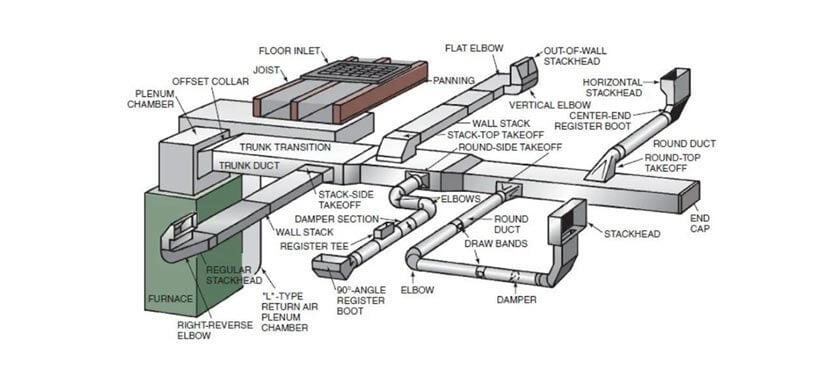
The cost of HVAC repairs can vary widely depending on the geographic location of the service. Understanding these regional differences is crucial for homeowners to budget appropriately and select the right service providers. Local economies, labor rates, and the cost of living all play significant roles in determining HVAC repair costs.In urban areas, the demand for HVAC services is often higher due to population density, leading to increased competition among service providers.
This environment can drive prices up, but it also means homeowners typically have more options to choose from. Conversely, in rural areas, while the labor costs may be lower, fewer HVAC professionals may be available, which can lead to longer wait times for service and potentially higher prices due to limited supply. The following points Artikel how location influences HVAC repair costs:
Regional Variations in HVAC Repair Costs
The disparities in HVAC repair costs across different regions can be attributed to several factors. The local cost of living significantly impacts how much service providers charge for their work. Here are some key points to consider:
- Urban Areas: In cities, you might expect to pay higher prices due to elevated living costs and increased demand for HVAC services. For example, areas like New York or San Francisco may see average repair bills ranging from $150 to $500, influenced by local wages and overhead costs.
- Rural Areas: Rural locations often have lower labor rates, which can result in reduced repair costs, sometimes between $100 and $300. However, limited availability of skilled technicians may cause delays in service, leading to the potential for higher emergency repair costs.
- Regional Climate: The local climate can also have a significant impact. Regions that experience extreme weather conditions—such as hot summers or cold winters—tend to have more frequent HVAC system usage, leading to a higher need for repairs. This demand can drive costs up even in lower labor rate areas.
- Local Codes and Regulations: Variations in local building codes or HVAC regulations can influence repair costs. Areas with stricter codes may require additional inspections or specific materials, which could increase overall repair expenses.
- Seasonal Trends: The timing of repairs can affect costs as well. During peak seasons, such as summer or winter, HVAC service providers may charge higher rates due to increased demand, regardless of location.
“Location not only affects the cost of HVAC repairs but also the availability of skilled technicians and the urgency of service required.”
Understanding these factors is essential for homeowners, as they can directly influence the overall repair experience and costs. Knowing what to expect based on your region can help you make more informed decisions when it comes to maintaining your HVAC system.
Understanding Warranty and Insurance Coverage related to HVAC repairs helps protect investments.
Investing in an HVAC system is a significant decision for homeowners, and understanding the warranties and insurance coverage associated with these systems is crucial for protecting that investment. By grasping these aspects, homeowners can better navigate repairs and potentially save on out-of-pocket expenses when issues arise.Different warranties operate based on the components of the HVAC systems and the manufacturers. Most HVAC systems come with a limited warranty that usually covers parts, but not labor.
It’s essential for homeowners to familiarize themselves with the specifics of these warranties to ensure they understand what is covered. Common repairs that are typically covered by warranties include:
- Replacement of defective parts such as compressors, fans, and coils.
- Labor costs associated with the installation of replacement parts (if included in the warranty).
- Specific system failures due to manufacturer defects.
Homeowners must read the fine print, as warranties often require regular maintenance to remain valid. For example, failing to perform annual inspections might void the warranty altogether.
Homeowner’s Insurance and HVAC Coverage
Homeowner’s insurance can also play a vital role in covering HVAC repairs. This type of insurance often includes provisions for sudden damage, which can save homeowners from hefty repair bills. It’s important for homeowners to examine their policies closely to understand what is and isn’t covered regarding HVAC systems. Key points to consider include:
- Coverage for accidental damage caused by unforeseen events, such as fires or natural disasters.
- Exclusions that might apply, such as wear and tear or lack of maintenance.
- The deductible amount that homeowners must pay before insurance kicks in.
For example, if a homeowner’s HVAC system is damaged during a storm, their insurance might cover the repair costs after the deductible is met. However, if the damage is due to neglect or poor maintenance, the claim may be denied.
Understanding the specifics of warranties and insurance policies can lead to significant savings when faced with unexpected HVAC repairs.
In practical scenarios, homeowners who proactively maintain their HVAC systems and understand their warranty coverage have successfully navigated costly repairs. For instance, a homeowner whose compressor failed was able to replace it at no charge due to their warranty, while another homeowner faced steep costs simply because they were not aware that their homeowner’s insurance covered storm damage to their system.
These examples highlight the importance of being informed and prepared to protect your investment in HVAC systems.
Recognizing Signs of HVAC System Failure is crucial for timely repairs and cost savings.
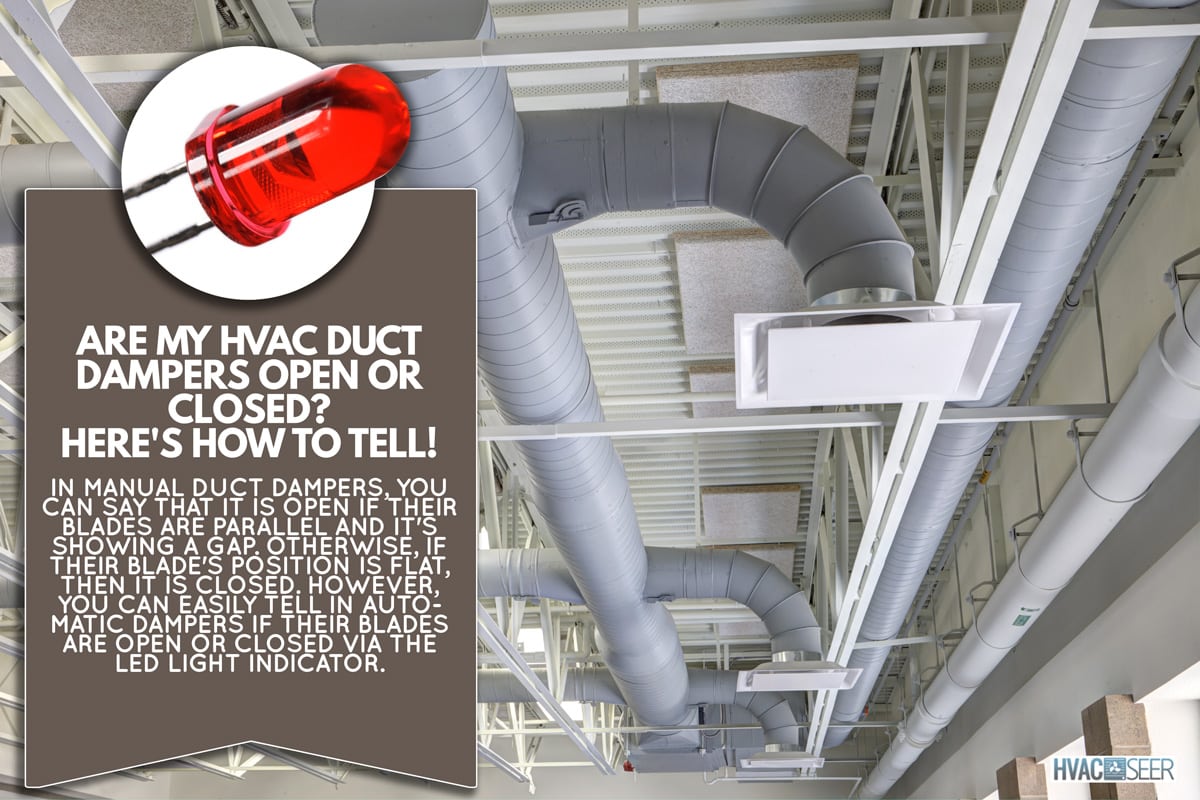
Homeowners often overlook the subtle signs that indicate their HVAC system may be on the verge of failure. Recognizing these early warning signs is essential for avoiding costly repairs and ensuring a comfortable living environment. By being proactive and addressing issues promptly, homeowners can save significant expenses in the long run and prolong the lifespan of their HVAC systems.When an HVAC system begins to fail, it often exhibits specific symptoms that shouldn’t be ignored.
Addressing these signs early on can prevent more extensive damage and higher costs associated with major repairs or system replacements. By being vigilant and understanding the implications of these warning signs, homeowners can make informed decisions about their HVAC maintenance and repair needs.
Key Warning Signs of HVAC System Failure
It’s important to be familiar with the various indicators that may suggest your HVAC system requires attention. Regularly monitoring these signs can lead to timely repairs, helping to maintain efficiency and avoid larger problems down the line. Here are some key warning signs to watch for:
- Unusual Noises: Sounds such as grinding, squealing, or clanking can indicate mechanical issues, loose components, or worn-out parts.
- Inconsistent Temperature: If certain rooms in your home are significantly warmer or cooler than others, it may point towards ductwork issues or a malfunctioning thermostat.
- Increased Energy Bills: A sudden spike in your energy bills can suggest that your HVAC system is working harder than usual due to inefficiency, often a precursor to system failure.
- Frequent Cycling: If your HVAC system frequently turns on and off, it may be a sign of an issue with the thermostat or the system itself struggling to maintain the desired temperature.
- Bad Odors: Strange smells, especially burning or musty odors, can indicate electrical problems or mold growth, both of which require immediate attention.
- Humidity Issues: If your home feels excessively humid, it could mean that your air conditioner is not removing moisture effectively, suggesting a potential malfunction.
- Water Leaks: Any signs of moisture or pooling water around your HVAC unit could indicate a refrigerant leak or drainage issue, both of which need prompt investigation.
Regularly assessing the state of your HVAC system can help catch these signs early. Below is a checklist to assist homeowners in evaluating their HVAC systems:
HVAC System Maintenance Checklist
This checklist can serve as a valuable tool for homeowners looking to maintain their HVAC systems and catch any potential issues before they escalate.
- Check air filters monthly and replace them every 1-3 months to ensure proper airflow.
- Inspect vents and ducts for any visible blockages or damage.
- Test the thermostat for accuracy and ensure it is functioning properly.
- Examine the outside unit for debris or obstructions that can impact performance.
- Schedule an annual HVAC system inspection with a professional technician.
- Monitor energy bills for any unexpected increases in cost.
- Listen for unusual sounds during operation and investigate if heard.
By staying aware of these signs and regularly following the maintenance checklist, homeowners can significantly enhance the reliability of their HVAC systems, ensuring they remain efficient and effective for years to come.
Investigating the Role of Energy Efficiency in HVAC Repair Costs can lead to smarter investments.

Investing in energy-efficient HVAC systems not only promotes sustainability but also significantly impacts long-term repair costs and utility bills. By choosing systems designed for efficiency, homeowners and businesses can reduce their overall energy consumption, leading to savings that can offset initial expenditures. The relationship between energy efficiency and repair costs is critical for those looking to make informed decisions on their HVAC investments.Proper installation and ongoing maintenance are essential components in achieving energy efficiency.
When HVAC systems are installed correctly, they operate at their peak performance, ensuring that energy consumption is minimized. Regular maintenance helps to identify potential issues before they escalate into costly repairs. This proactive approach not only keeps the system running smoothly but also extends the lifespan of the equipment, ultimately translating to lower repair costs over time.
Examples of Energy-Efficient Upgrades
Several upgrades can enhance HVAC system performance while reducing energy costs. These improvements not only contribute to a more efficient system but also lead to significant savings on utility bills. Here are some notable examples:
- Smart Thermostats: These devices allow users to monitor and adjust the temperature remotely, optimizing energy use based on when the home is occupied.
- High-efficiency Filters: Upgrading to filters that capture finer particles can improve air quality and system efficiency, reducing the strain on the HVAC unit.
- Variable Speed Motors: These motors adjust their speed based on the cooling or heating demand, leading to reduced energy consumption.
- Insulation and Duct Sealing: Insulating ducts and sealing leaks can prevent energy loss and improve the overall efficiency of the HVAC system.
- Energy Recovery Ventilators (ERVs): These systems help maintain indoor air quality while reducing energy costs by recovering energy from outgoing air to precondition incoming air.
Investing in these energy-efficient upgrades can yield substantial savings in both repair costs and utility bills. By making these smarter investments, homeowners and businesses can create a more comfortable environment while minimizing their environmental impact.
“Energy-efficient HVAC systems not only reduce repair costs but also lead to significant savings on monthly utility bills.”
